May 28, 2026
Nature possesses a profound and often unpredictable power, especially when atmospheric conditions shift toward turbulence. For homeowners, the majestic trees that provide shade, beauty, and privacy also represent a significant liability when high winds and heavy precipitation arrive.
Maintaining a safe landscape requires a proactive approach to arboriculture, moving beyond simple aesthetics to focus on structural stability and health. Identifying the warning signs of a weakened tree before a weather event occurs is the most effective way to prevent property damage, power outages, and personal injury. While a tree may look sturdy during a calm afternoon, internal decay or root instability can turn a neighborhood landmark into a dangerous projectile once a gale begins to blow.
Preparing for a seasonal transition or a forecasted hurricane involves more than just securing patio furniture; it necessitates a professional assessment of the canopy overhead. Waiting until a branch has already fallen through a roof is a costly and dangerous mistake. Furthermore, attempting to handle large-scale canopy issues during or immediately after a weather crisis is incredibly hazardous. According to World Metrics, storm damage response is the highest-risk period for arborist injuries, with a 40% increase in incidents during storms. This statistic emphasizes why intervention must happen during periods of calm, ensuring that experts can work under controlled conditions to mitigate risks. By recognizing the physical indicators of distress, property owners can secure a professional tree service to fortify their landscape against the coming elements.
Identifying Dead Or Hanging Branches
The most visible indicators of potential trouble are the limbs that have already begun to fail. Deadwood is a natural part of a tree's life cycle, but when large sections of the upper canopy lose their foliage and bark, they become brittle and unpredictable. These dead branches lack the flexibility of living wood, meaning they cannot bend with the wind. Instead, they snap under the pressure of high gusts, falling with immense force. Even more dangerous are "widow-makers," which are large limbs that have already detached from the main trunk but remain snagged in the higher reaches of the foliage. These hanging hazards can be dislodged by even a moderate breeze, posing a constant threat to anyone walking below.
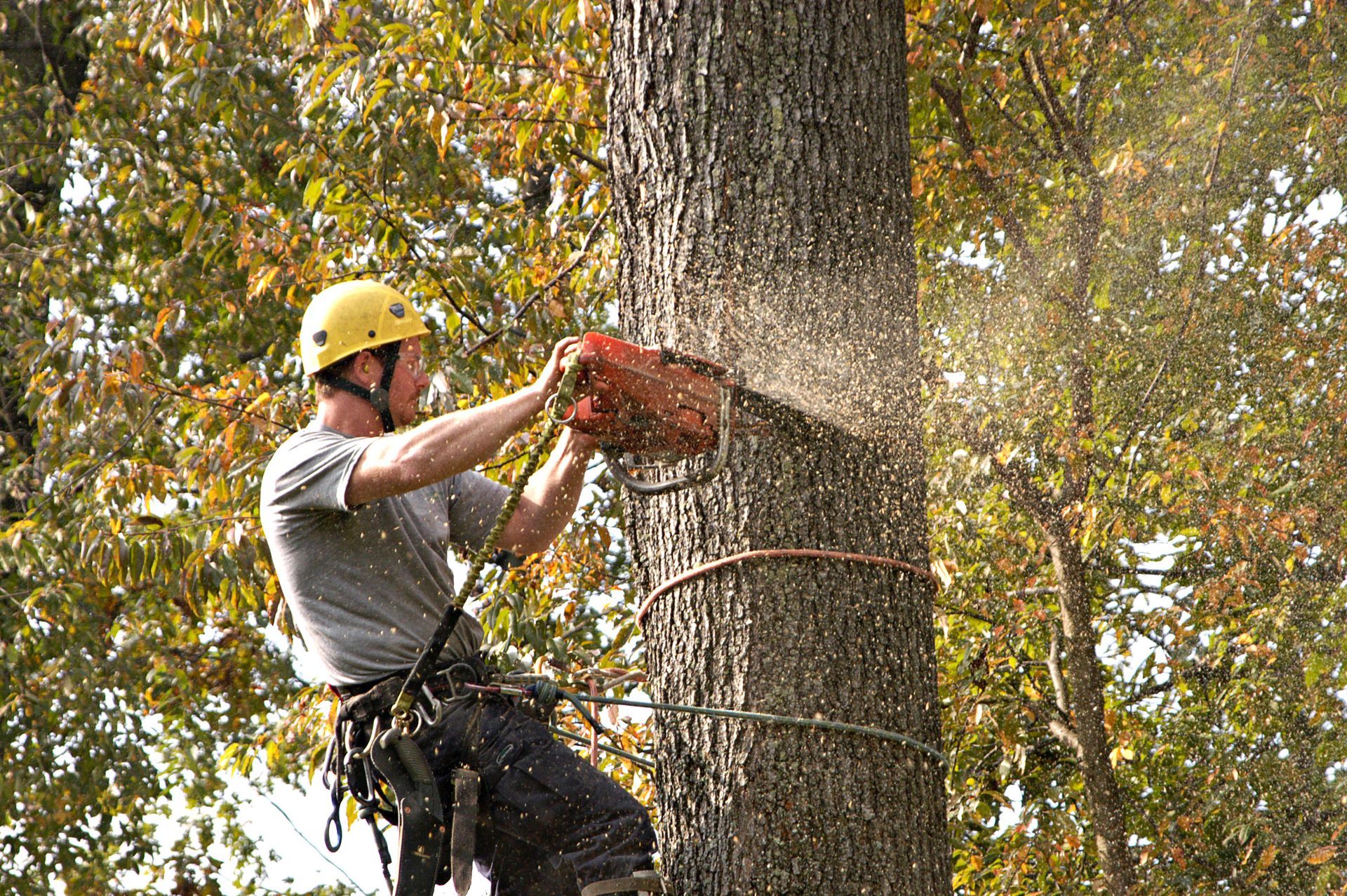
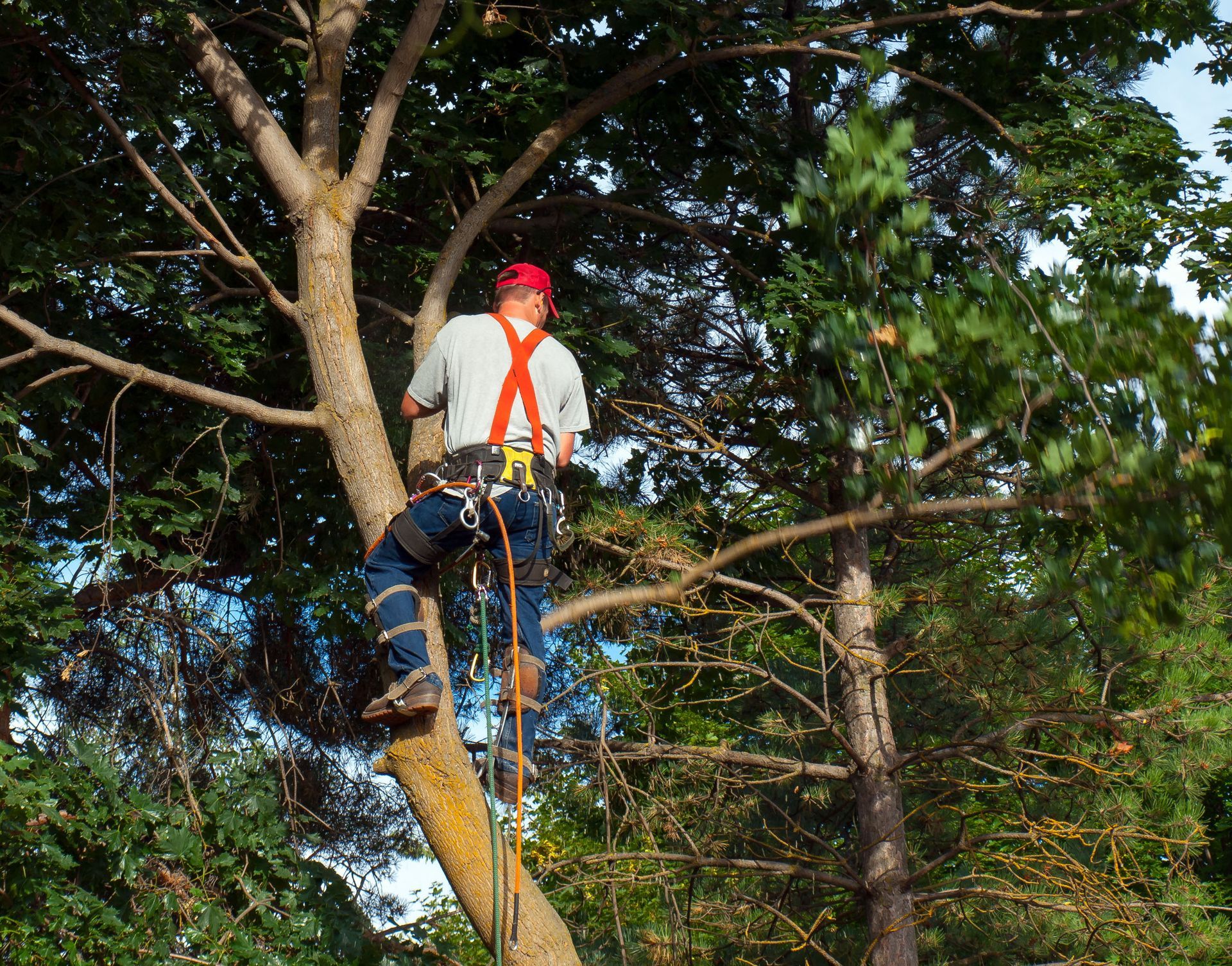
Addressing these issues requires a systematic thinning of the crown. A qualified tree service uses specialized climbing gear and rigging to remove these heavy pieces safely without damaging the healthy parts of the specimen or the structures beneath it. By removing the weight of dead material, the wind can pass through the canopy more easily, a concept known as "wind sail reduction." This practice significantly lowers the mechanical stress placed on the main trunk during a blizzard or a tropical storm.
Inspecting Deep Trunk Cavities
A tree may appear green and vibrant from a distance while hiding a hollow interior. Large cavities, deep cracks, or holes in the main trunk are clear signs of internal decay. These openings often serve as entry points for moisture, fungi, and wood-boring insects, which slowly consume the structural heartwood that provides the tree with its upright strength. When the outer shell of the trunk becomes too thin to support the weight of the massive branches above, the entire structure is at risk of a catastrophic "snap." This type of failure is especially common during ice storms, where the added weight of frozen precipitation exceeds the capacity of the compromised trunk.
Detecting these hidden weaknesses often requires a professional touch. Arborists can use various tools to gauge the depth of a cavity and determine if the remaining wood is sufficient to withstand a significant weather event. If a tree service identifies that a specimen is over half hollow, they may recommend a controlled removal or the installation of support cables to hold the structure together. Ignoring a gaping hole in the base or a vertical split in the middle of the tree is an invitation for disaster.
Spotting Root System Heaving
Stability begins below the surface, but when a tree’s foundation is compromised, the signs often manifest at the base of the trunk. If you notice a mound of soil lifting on one side of the tree, or if the soil appears to be pulling away from the base, the root system may be failing. This phenomenon, known as "heaving," often happens after periods of heavy rain followed by high winds. The saturated ground loses its ability to grip the roots, allowing the entire tree to tilt. A leaning tree that has recently shifted its angle is a high-priority emergency, as it indicates that the mechanical bond between the earth and the organism has been broken.
Noticing Unusual Canopy Thinning
Sometimes the signs of a dangerous tree are subtle, manifesting as a general decline in vigor. If a tree that was once lush and full now has sparse foliage, small leaves, or branches that are leafing out much later than usual, it is under significant stress. Stressed trees are more susceptible to the "load" of a storm because they lack the internal pressure and flexibility of a healthy specimen. Dieback at the very top of the tree, known as "stag-heading," is often a sign that the tree is entering a terminal phase where it can no longer move water and nutrients to its furthest reaches.
A weakened tree is a brittle tree. When a tree service evaluates a thinning canopy, they look for the underlying causes, such as soil compaction, nutrient deficiency, or disease. While some trees can be saved through deep-root fertilization or trunk injections, others may be too far gone to safely remain near a home or driveway. A thinning canopy often precedes the loss of major limbs, making it a reliable early-warning sign.
Addressing the health of the tree during the growing season provides the best chance of recovery, ensuring the specimen has the strength to withstand the physical demands of the next major weather system.
The relationship between a homeowner and their landscape is one of stewardship and vigilance. Trees are dynamic organisms that change with every season, and their structural integrity can shift in a matter of months. By keeping a watchful eye for dead limbs, trunk cavities, root heaving, and proximity to utilities, you can act before nature takes the decision out of your hands. The objective is always to balance the life of the tree with the safety of the humans living around it. Taking a proactive stance on maintenance ensures that your property remains a sanctuary rather than a hazard zone when the clouds turn gray and the winds begin to howl.
Ultimately, the goal of pre-storm preparation is peace of mind. Knowing that your canopy has been thinned, your trunks inspected, and your foundations checked allows you to focus on the safety of your family during a weather event. The cost of a professional assessment is a minor investment compared to the massive expense of emergency removals and property restoration. As the climate continues to produce more intense and frequent weather events, the importance of professional arboriculture only grows. Investing in the health and safety of your trees today is the best way to ensure they continue to stand tall for many years to come.
At R.W. Aufderheide & Son Tree Removal Experts, we provide the precision and expertise required to safeguard your property through every season, offering comprehensive tree service solutions that prioritize your safety and the health of your landscape.