September 10, 2026
In the realm of real estate, first impressions are critical, and the exterior of a property plays a significant role in its overall market value. While healthy timber provides shade and beauty, strategic tree removals can dramatically enhance curb appeal, open up scenic sightlines, and elevate property values. Removing overgrown, diseased, or poorly positioned specimens clears space for modern landscape features while highlighting your home's unique architectural elements. Knowing when and how to clear unwanted timber allows homeowners to maximize both structural safety and visual harmony.
Framing Architectural Features
Unmanaged greenery often obscures ornate facades, historic windows, and intricate rooflines that define a home's character. Executing selective tree removals brings these architectural elements to the forefront, providing potential buyers with an unobstructed view of the property's design. Clearing dense branches also highlights surrounding garden beds, stone walkways, and exterior accent lighting. This immediate visual clarity elevates perceived property value and creates a clean, welcoming impression from the street.
Aligning Landscape Aesthetics
Certain species fail to complement a home's specific architectural era or regional environment. Removing an out-of-place specimen allows homeowners to establish a cohesive, regionally appropriate landscape design. According to HomeGuide, after removing a tree, you can replant a new one a few weeks later, about three to four feet away from the old stump, to avoid any remaining roots. Replanting native species restores ecological balance, ensuring your property aligns naturally with its surrounding environment.
Protecting Foundational Infrastructure
Expanding root systems often interfere with concrete foundations, paved driveways, and underground plumbing lines, creating severe structural hazards over time. Scheduling timely tree removals stops invasive roots from fracturing concrete structures and causing thousands of dollars in property damage. Proactively addressing root threats preserves foundational stability, protects underground utility lines, and prevents costly emergency repairs down the road. Protecting your home's structural integrity preserves long-term financial equity.
Eliminating Yard Congestion
Overcrowded canopies prevent individual plants from receiving adequate air circulation and natural sunlight, making your entire yard susceptible to fungal diseases. Dense overgrowth also blocks paved pathways and driveways, restricting physical access and making outdoor areas feel cramped. Executing targeted tree removals opens up valuable yard space, allowing remaining vegetation to thrive while creating an expansive, welcoming atmosphere for outdoor entertaining.
Illuminating Shaded Lawns
Clearing excess canopies allows natural sunlight to penetrate previously dark, damp sections of your property. Increased light exposure eliminates moss growth, revitalizes thin turf, and encourages thick, healthy lawn coverage. Brightening shaded areas enhances overall landscape aesthetics while providing clear sightlines across your entire yard. Creating an open, sunlit outdoor space appeals directly to prospective buyers seeking usable yard space.
Mitigating Hazard Liabilities
Dead, dying, or structurally compromised timber poses severe safety risks during heavy storms and high winds. Falling limbs can cause catastrophic damage to roofs, vehicles, and neighboring properties, leading to expensive legal liabilities and rising insurance premiums. Proactively clearing hazardous specimens eliminates safety threats before storms strike. Maintaining a safe, hazard-free environment protects your family while safeguarding your real estate investment.
Clearing Invasive Roots
Underground root networks expand continuously, creating invisible threats to septic systems, retaining walls, and driveway paving. Identifying and removing trees with aggressive root structures prevents costly structural heave and underground pipe ruptures. When replacing cleared timber, planting new saplings several feet away from old stump locations prevents root competition and soil failure. Proactive root management protects your home's infrastructure against long-term structural settling.
Removing Yard Debris
Certain tree species drop excessive amounts of sap, heavy seed pods, or toxic fruit, creating continuous cleaning burdens for homeowners. Persistent yard litter stains hardscapes, clogs rain gutters, and attracts unwanted pests to your living areas. Clearing high-maintenance, mess-producing species reclaims clean outdoor living space for daily enjoyment. Eliminating maintenance nuisances keeps your property looking pristine with minimal ongoing effort.
Assessing Specimen Health
Determining the structural health of your landscape requires identifying subtle signs of decay, such as discolored leaves, bark fungus, or hollow trunks. Certified arborists evaluate whether compromised specimens can be saved through cabling or if complete extraction is necessary. Removing diseased specimens contains the spread of pathogens, protecting nearby healthy vegetation. Taking a proactive approach to plant health keeps your entire yard looking vibrant and well-maintained.
Identifying Structural Hazards
Recognizing hazardous timber involves spotting leaning trunks, severe splits, or decaying root crowns that compromise structural stability. Expert evaluations catch internal rot and structural weaknesses that non-professionals easily overlook. Eliminating hazardous specimens protects nearby structures from accidental impacts during severe weather events. Prompt hazard mitigation demonstrates responsible property ownership while maintaining neighborhood safety standards.
Remediation Root Damage
Invasive roots competing for groundwater deprive surrounding garden beds and turfgrass of essential nutrients. Executing necessary tree removals eliminates below-ground competition, allowing nearby flowers, shrubs, and lawns to flourish naturally. Reclaiming root-damaged areas provides a clean slate for fresh hardscaping, garden installation, or lawn restoration. Professional remediation transforms damaged ground into thriving, productive green space.
Managing Seasonal Timelines
Timing landscape work during late winter or early spring dormancy minimizes stress on surrounding soil and nearby vegetation. Conducting work on frozen ground prevents heavy machinery from compacting soil or leaving deep ruts in your lawn. Furthermore, scheduling service during off-peak seasons often offers financial savings due to lower contractor demand. Strategic seasonal timing ensures efficient, cost-effective property management.
Timing Replanting Schedules
Synchronizing extraction with ideal planting seasons allows new saplings to establish root systems quickly. According to HomeGuide, replanting can take place a few weeks after removal, positioned a safe distance from old stump locations. Following proper seasonal timelines ensures that replacement trees take root successfully, maintaining unbroken ecological continuity. Strategic planning ensures continuous, vibrant landscape improvements year after year.
Maximizing Street Visibility
Removing obstructive foliage gives passersby and potential home buyers a clear, impressive view of your home from the street. Unobstructed sightlines emphasize architectural charm, upgraded siding, and professional stonework. Enhanced curb appeal makes a powerful first impression, generating immediate interest among prospective real estate buyers. Increasing street visibility directly supports higher property valuations during appraisal reviews.
Boosting Turf Vitality
Abundant sunlight is vital for maintaining lush, dark-green turfgrass across your front and backyard. Executing targeted tree removals eliminates heavy shade, allowing grass to grow densely and resist weed infestation naturally. Healthy, vibrant lawns dramatically improve exterior aesthetics, creating an inviting backdrop for your entire home. A sunlit, thriving lawn signals meticulous property care to prospective buyers.
Protecting Roof Surfaces
Constant shade, dropping leaves, and falling sap damage roof shingles, leading to moss accumulation and premature roof failure. Clearing overhanging canopies allows rain gutters to stay clear while enabling sunlight to dry roof surfaces quickly after rainstorms. Protecting your roof extends shingle lifespans and prevents expensive water intrusion damage inside your home. A clean, well-maintained roof reinforces buyer confidence during property inspections.
Facilitating Fence Installations
Dense tree trunks growing along property boundaries often distort fence lines or prevent proper boundary enclosure installations. Executing strategic tree removals along property lines allows contractors to install straight, secure fencing around your yard. Defining clear property boundaries enhances residential privacy, security, and overall aesthetic appeal. Secure perimeter fencing adds immediate value for families with pets and young children.
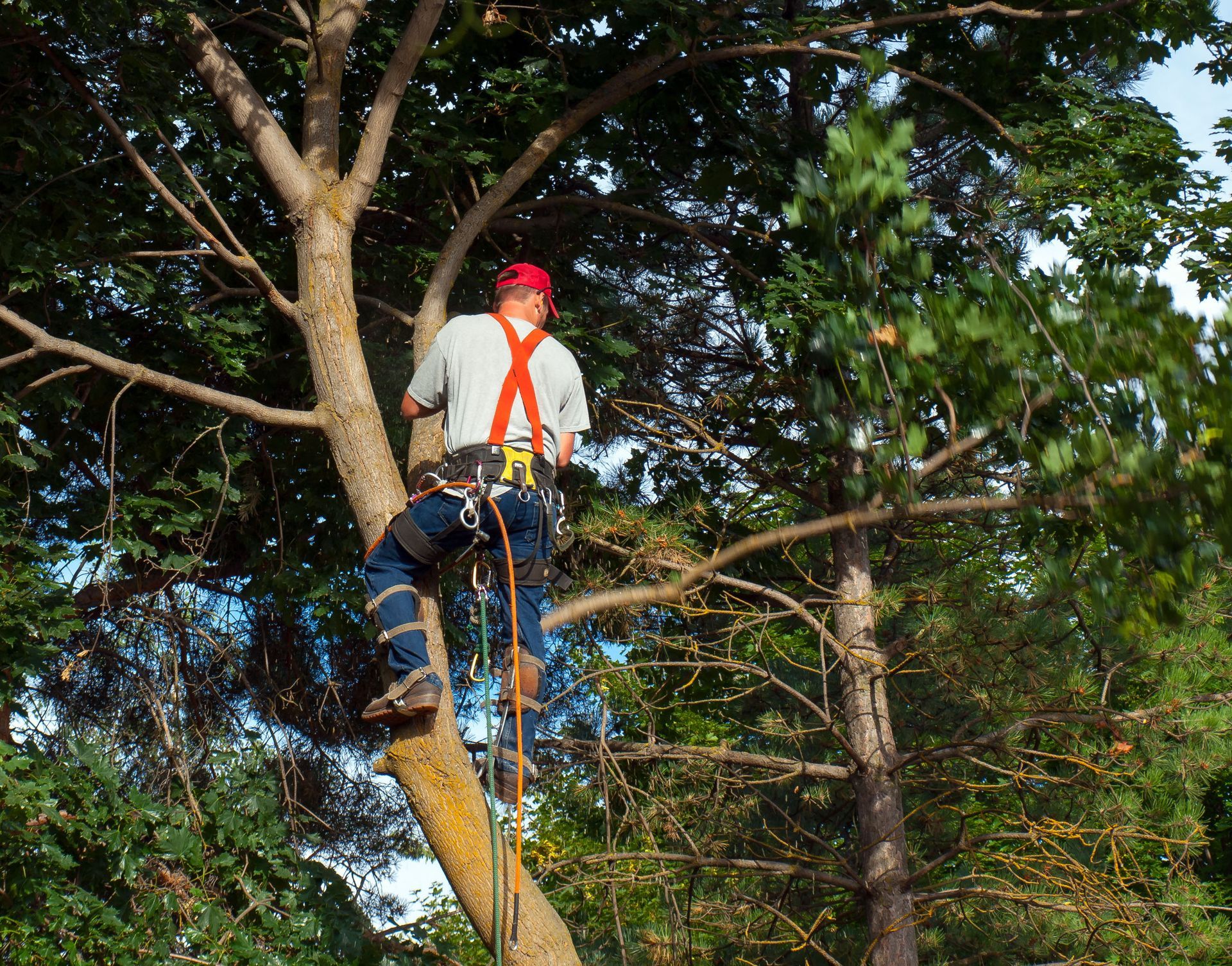
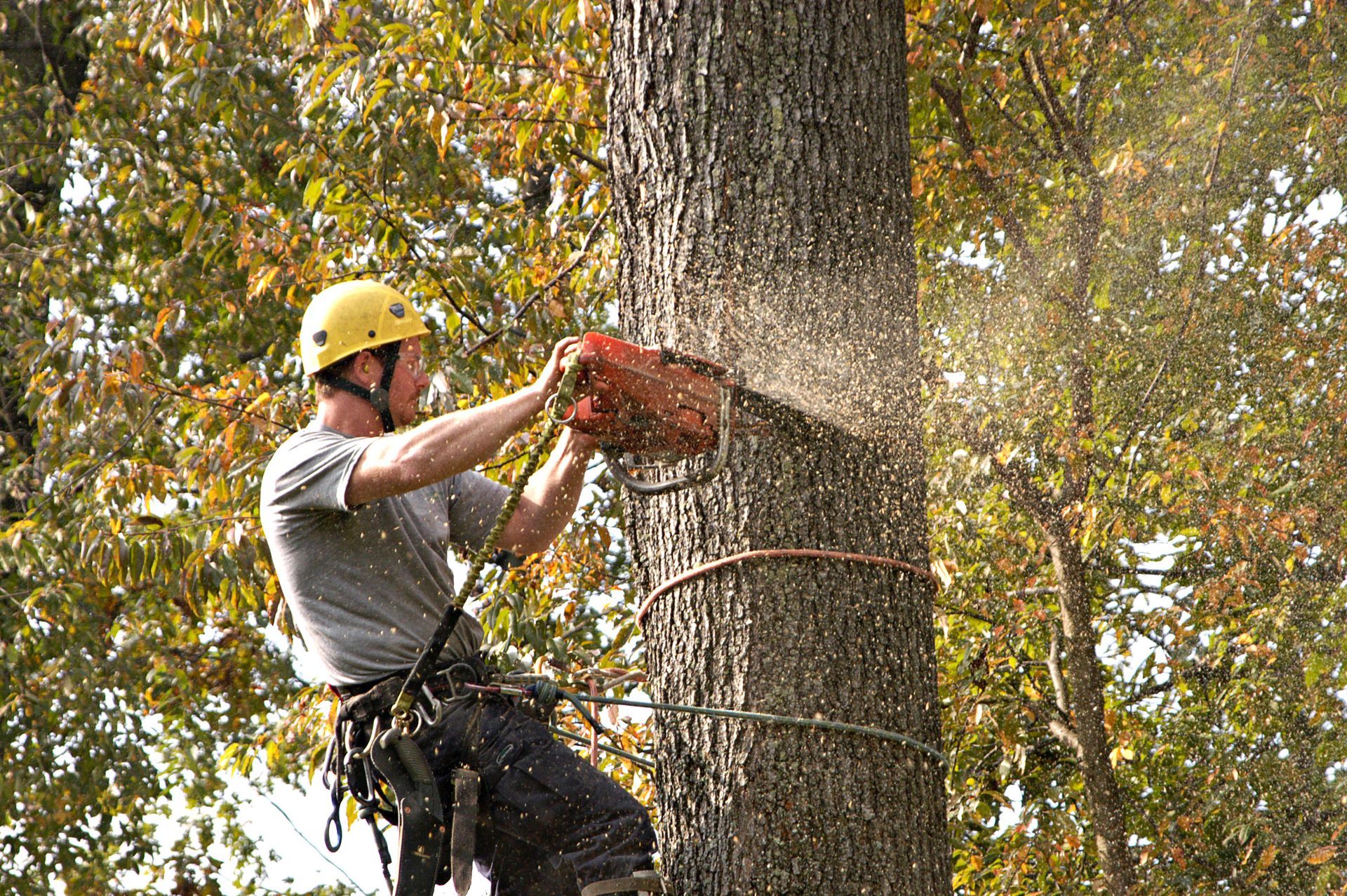
Executing heavy landscape clearing requires specialized hydraulic equipment, rigging systems, and certified safety protocols to prevent property damage. Professional crews possess the expertise needed to navigate tight residential spaces and remove massive trunks safely. Certified specialists carry comprehensive liability insurance, shielding homeowners from accidental damage or injury liabilities. For safe, efficient clearing and expert property enhancement, trust R.W. Aufderheide & Son Tree Removal Experts.