November 12, 2026
Maintaining a safe residential landscape often involves difficult decisions about mature trees. While property owners appreciate the shade, environmental benefits, and natural grace that established timber provides, leaving a damaged specimen in place poses severe risks. When violent storms strike, internal decay spreads, or root networks compromise underground utilities, homeowners must know what to expect from professional tree removals. Undertaking an extensive arboricultural project can seem overwhelming without prior experience. Understanding each phase of the operation allows property owners to prepare their households, safeguard grounds, and appreciate the technical skill required to execute the work safely.
Every outdoor environment presents distinct obstacles, ranging from overhead utility wires and narrow boundaries to delicate gardens and uneven terrain. Dedicated arborists approach every project with caution and detailed planning. Rather than treating every scenario identically, crews evaluate individual timber species, lean angles, decay patterns, and soil stability to formulate a tailored strategy. Becoming familiar with standard procedures gives homeowners peace of mind throughout the process. From the moment service vehicles arrive to the final sweeping of sawdust, knowing what unfolds ensures a smooth experience.
Evaluating the Landscape and Planning the Project
The initial phase of any extensive forestry project begins long before heavy machinery powers on. A thorough site evaluation provides the structural foundation for safe execution. When an arborist inspects a property, they observe far more than just the canopy of the target specimen. They examine the trunk flare for fungal growth, check hollow cavities, and measure proximity to nearby structures. These observations dictate the direction of felling, the placement of rigging points, and staging zones for vehicles. Because unstable limbs can behave unpredictably, comprehensive tree removals demand careful calculations of weight distribution and wood integrity.
During this preliminary evaluation, the crew assesses ground conditions to determine how equipment can access the work zone without damaging turf or nearby root networks. If access is restricted, alternative methods such as cranes, aerial lifts, or manual climbing must be selected. Communicating these details helps set clear expectations regarding timing, access points, and protective measures. Once a tactical plan is established, the team can assemble the personnel and gather the specific rigging gear required for the task.
Securing the Worksite and Establishing Safe Perimeters
Safety remains the paramount objective during any timber extraction operation. Before a single branch is severed, the crew establishes a secure perimeter around the drop zone. This boundary accounts not only for specimen height but also for potential bounce, roll, and brush kickback. Warning cones, perimeter tape, and designated spotters ensure that vehicles, pedestrians, and household pets remain at a safe distance throughout the cutting process. Homeowners are advised to keep children and animals indoors while work is underway.
Securing the site also entails protecting hardscape features, outdoor living spaces, and delicate landscape elements. Crews often position heavy ground mats over soft grass or driveways to distribute vehicle weight evenly and prevent surface ruts. If garden ornaments, patio furniture, or potted plants reside within the perimeter, the team will relocate them temporarily or cover them with protective shielding. Taking these proactive measures before initiating tree removals prevents incidental damage and creates an orderly environment where technicians focus on their technical tasks.
Deploying Specialized Machinery and Preparing Arborist Equipment
Modern arboriculture relies heavily on sophisticated machinery engineered to dismantle massive wood structures safely. Depending on the size, location, and structural integrity of the specimen, the arriving fleet may include bucket trucks, mechanical chippers, cranes, and specialized loaders. Each machine fulfills a distinct role in controlling heavy loads and processing vegetative waste. High-capacity wood chippers instantly reduce brush piles into usable mulch, while loaders transport heavy trunk sections across lawns without disturbing turf.
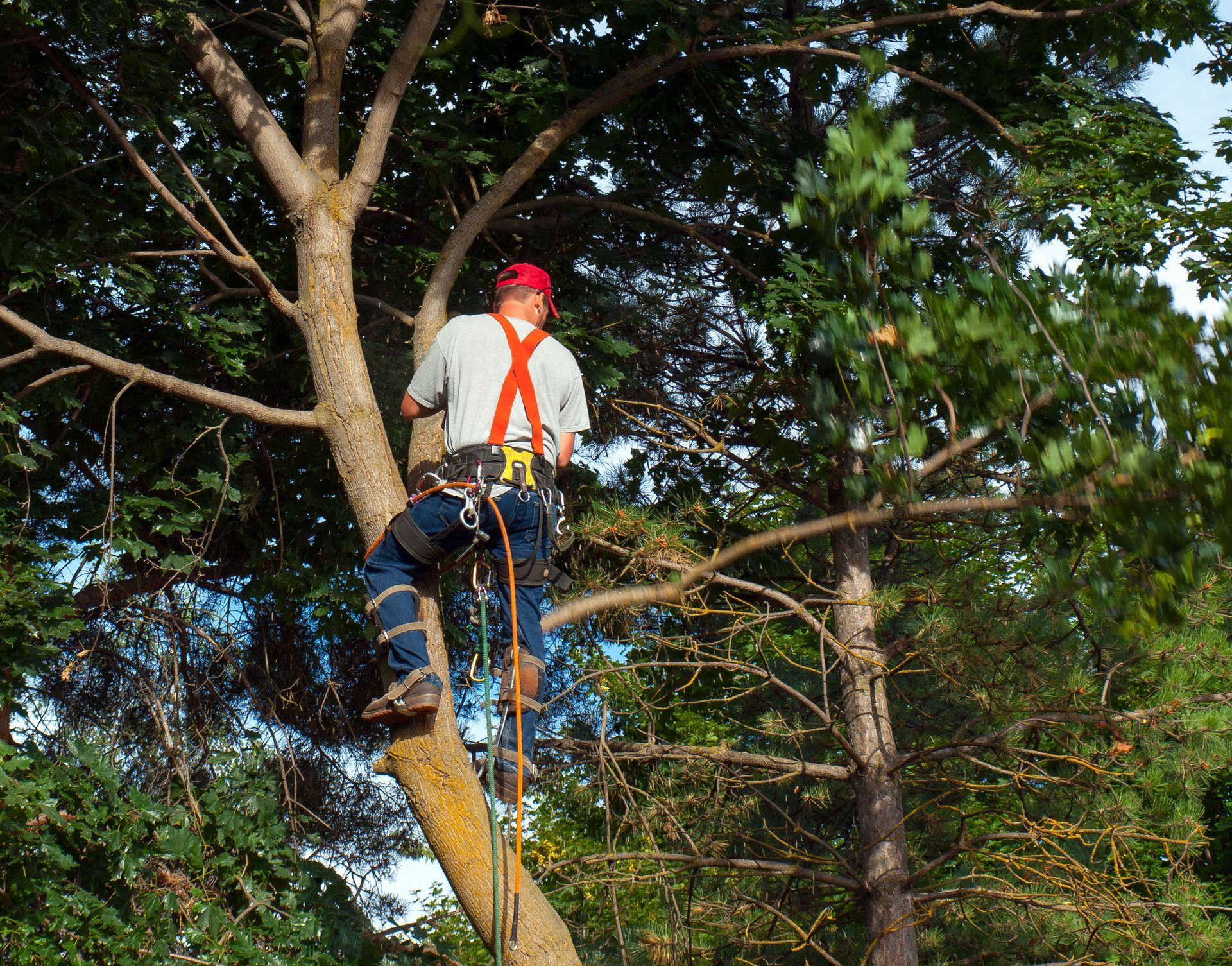
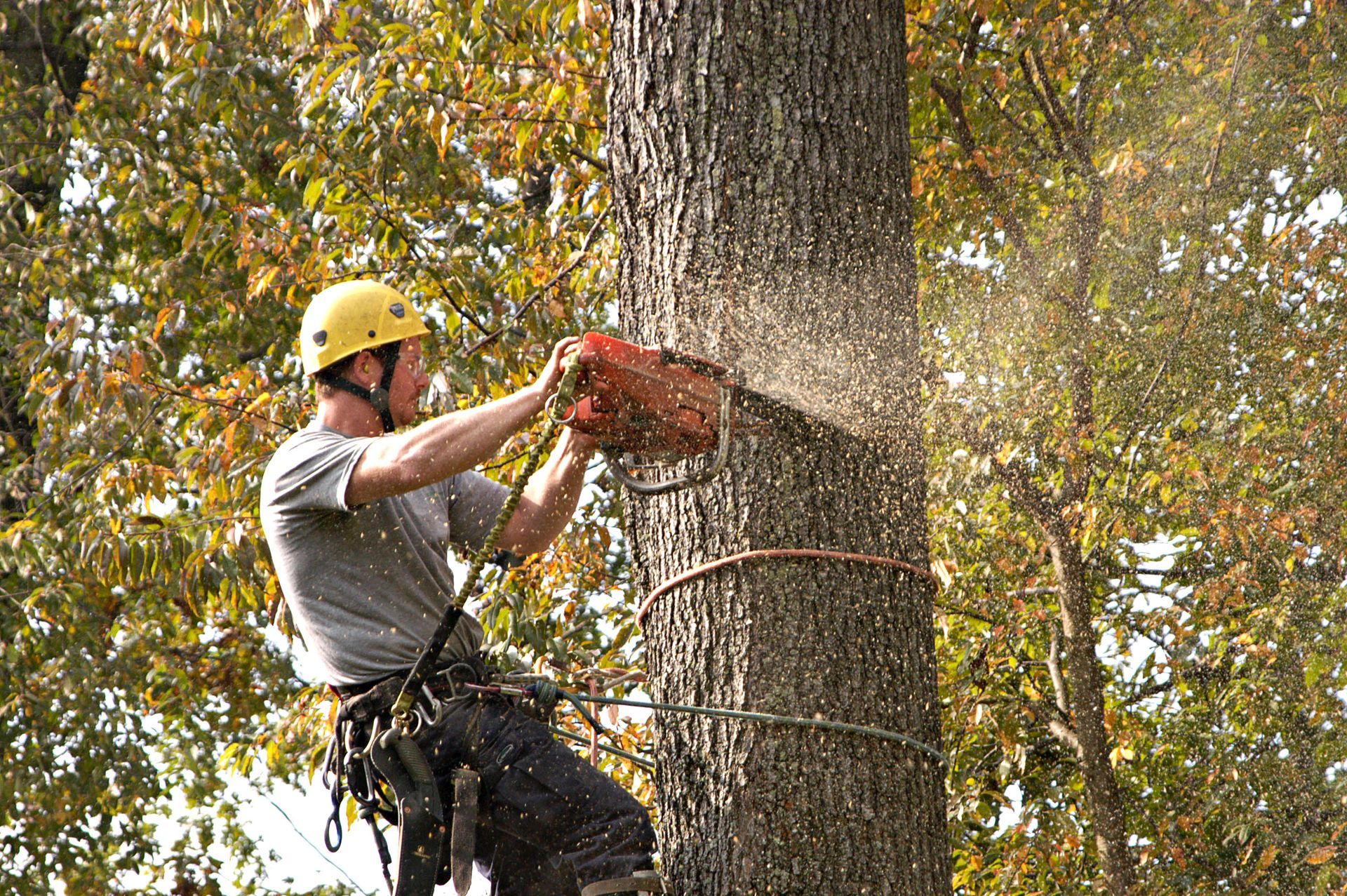
Protective gear and aerial climbing technology are equally important components when conducting tree removals. Technicians wear protective helmets with eye and ear protection, steel-toed boots, and chainsaw-resistant chaps designed to prevent accidental contact injuries. When trees stand in tight yards unreachable by vehicles, skilled climbers scale the canopy using friction hitches, micro-pulleys, and synthetic ropes. These climbing systems grant arborists maximum maneuverability while maintaining redundant safety connections, ensuring stability while operating saws high above the ground.
Dismantling the Canopy and Lowering Heavy Branches
Once the perimeter is secure and equipment is positioned, physical extraction begins with the crown of the tree. Technicians rarely fell an entire mature specimen as an intact whole within residential areas due to spatial constraints. Instead, they systematically dismantle the canopy from the outside inward and from top to bottom. Arborists remove smaller lateral branches initially, reducing the overall weight and aerodynamic drag of the upper crown. This deliberate deconstruction prevents falling wood from tangling with surrounding branches.
As larger limbs are severed, the crew uses advanced lowering techniques to bring heavy sections safely down to the lawn. Rigging ropes attached through high-friction pulleys allow heavy limbs to float downward without impacting roofs, fences, or flower beds. According to This Old House, the duration of tree removal can range from 15 minutes to a few hours depending on the species and overall dimensions of the tree. When dealing with towering hardwoods or compromised specimens, each cut must be executed with patience, requiring clear coordination between the saw operator and ground technicians.
Felling the Main Trunk and Controlling Ground Debris
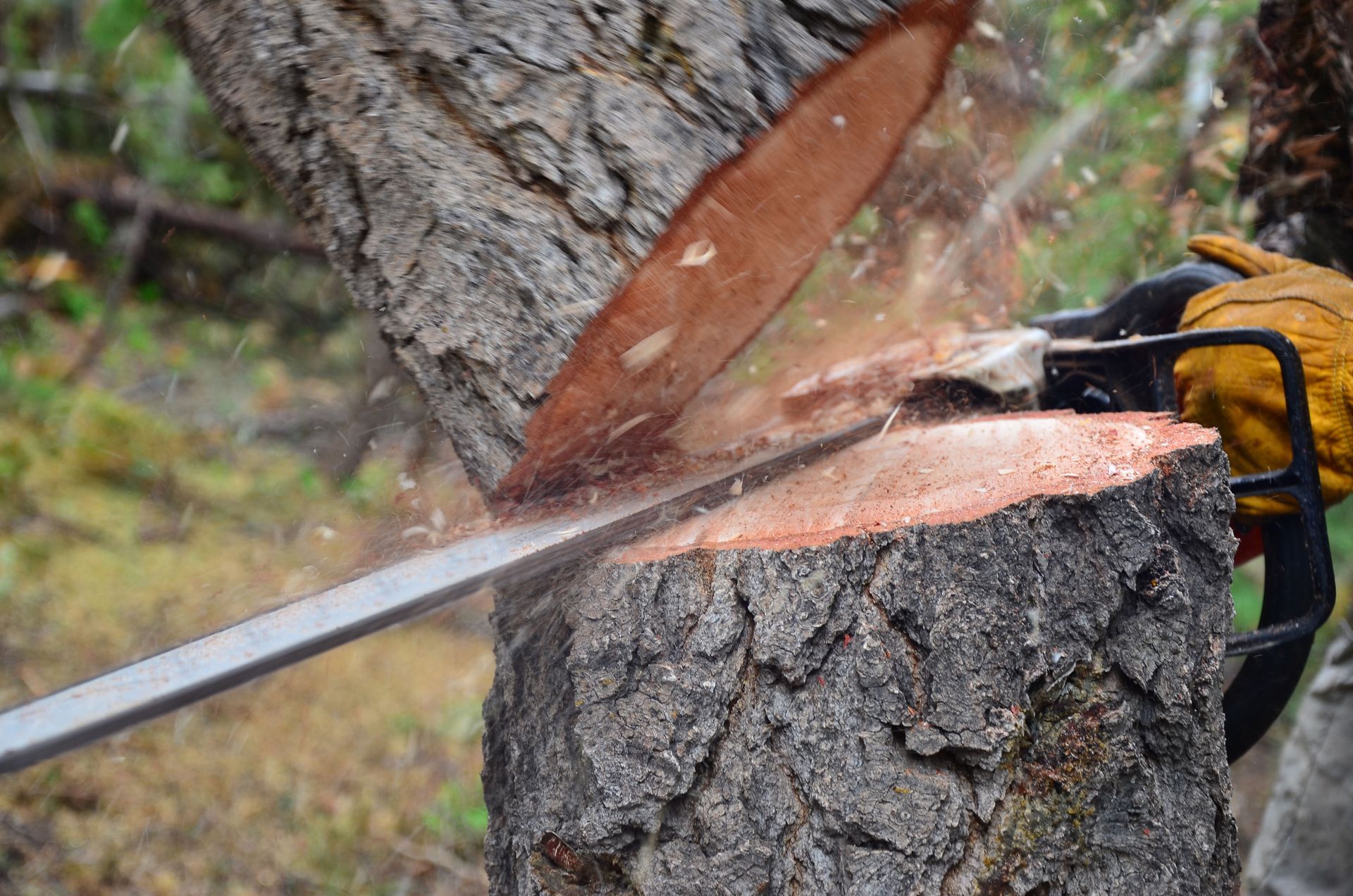
After the canopy has been stripped and lowered, only the vertical main stem remains standing. At this juncture, the team evaluates whether the remaining trunk can be felled in a single controlled drop or if it must be sectioned into smaller segments. In open areas with ample clearance, an arborist may make a directional face cut followed by a back cut to drop the stem cleanly into a predetermined landing path. Ropes attached high on the trunk guide the direction of the fall, ensuring the wood lands precisely where intended.
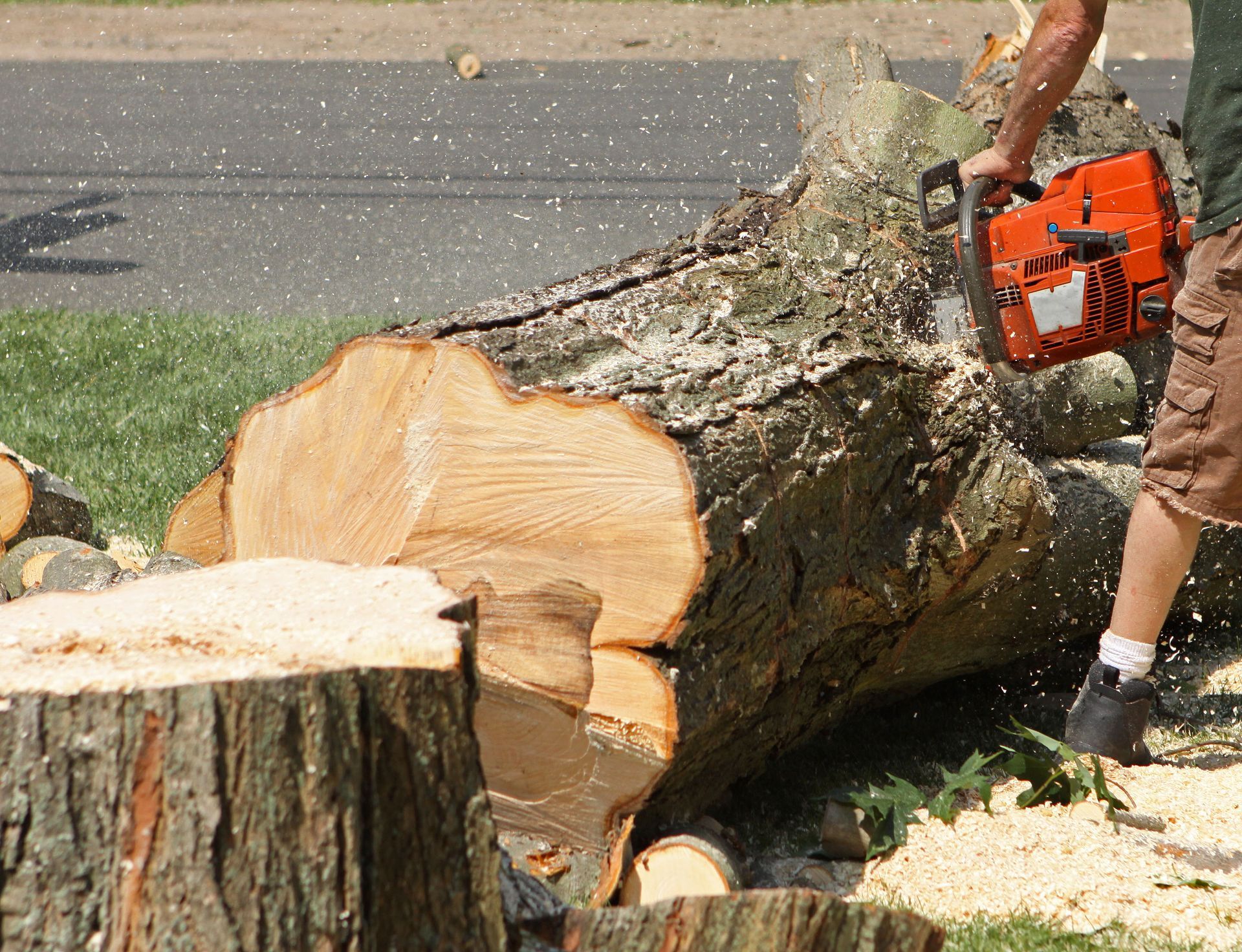
In confined suburban yards, the trunk is typically bucked down in manageable horizontal rounds. An aerial operator cuts cylindrical sections from the top of the stem, which are lowered via heavy-duty rigging. Ground personnel immediately roll these dense rounds toward the processing zone. Throughout complex tree removals, ground crew members constantly sweep fallen twigs, rake leaves, and feed brush into the chipper, keeping the drop zone clear of hazards and maintaining visual contact with the saw operator above.
Restoring the Landscape and Performing Final Cleanup
After large debris is removed, technicians rake the lawn, use blowers on driveways and patios, and extract scattered branches from garden beds. If stump grinding was included in the project scope, a specialized machine grinds the remaining base down below ground level, producing wood shavings that can backfill the depression. Thorough tree removals leave the surrounding landscape looking clean, open, and ready for new outdoor pursuits, with virtually no sign of the intensive work that took place.
Investing in skilled arboricultural care transforms hazardous, overgrown landscapes into secure and welcoming outdoor sanctuaries. Addressing damaged timber promptly shields residential structures from storm damage, eliminates falling branches, and allows sunlight to nourish remaining plant life. Prioritizing routine property care and proactive tree removals ensures your landscape remains sound and visually pleasing throughout every season of the year.
If you are ready for a pristine, secure, and revitalized outdoor property, contact us at R.W. Aufderheide & Son Tree Removal Experts today. We will help you navigate every phase of your landscape project with unmatched safety and dedicated care.